How It Works
We follow a rigorous, documented calibration procedure — not just clearing codes with a generic scanner. Every step is designed to ensure your vehicle's safety systems are restored to manufacturer specifications.
The 5-Step Calibration Process
A consistent, transparent procedure from start to finish.
Pre-Scan & Diagnostics
We run a full diagnostic scan to check your vehicle's electronic health and detect any hidden fault codes before beginning work.
Alignment & Geometry Check
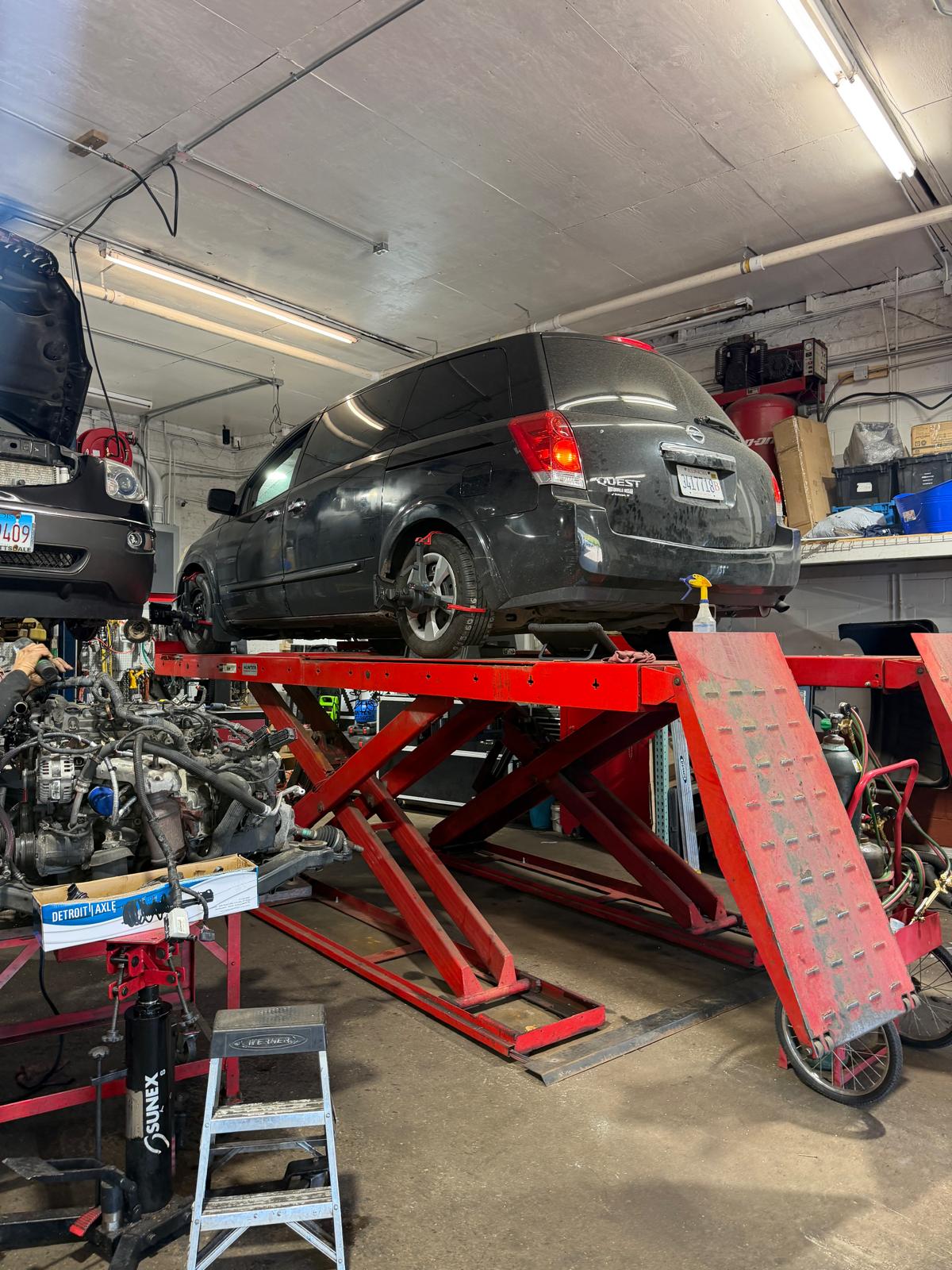
Vehicle geometry is verified and corrected when required. This physical foundation is essential for accurate sensor calibration.
Precision Target Setup
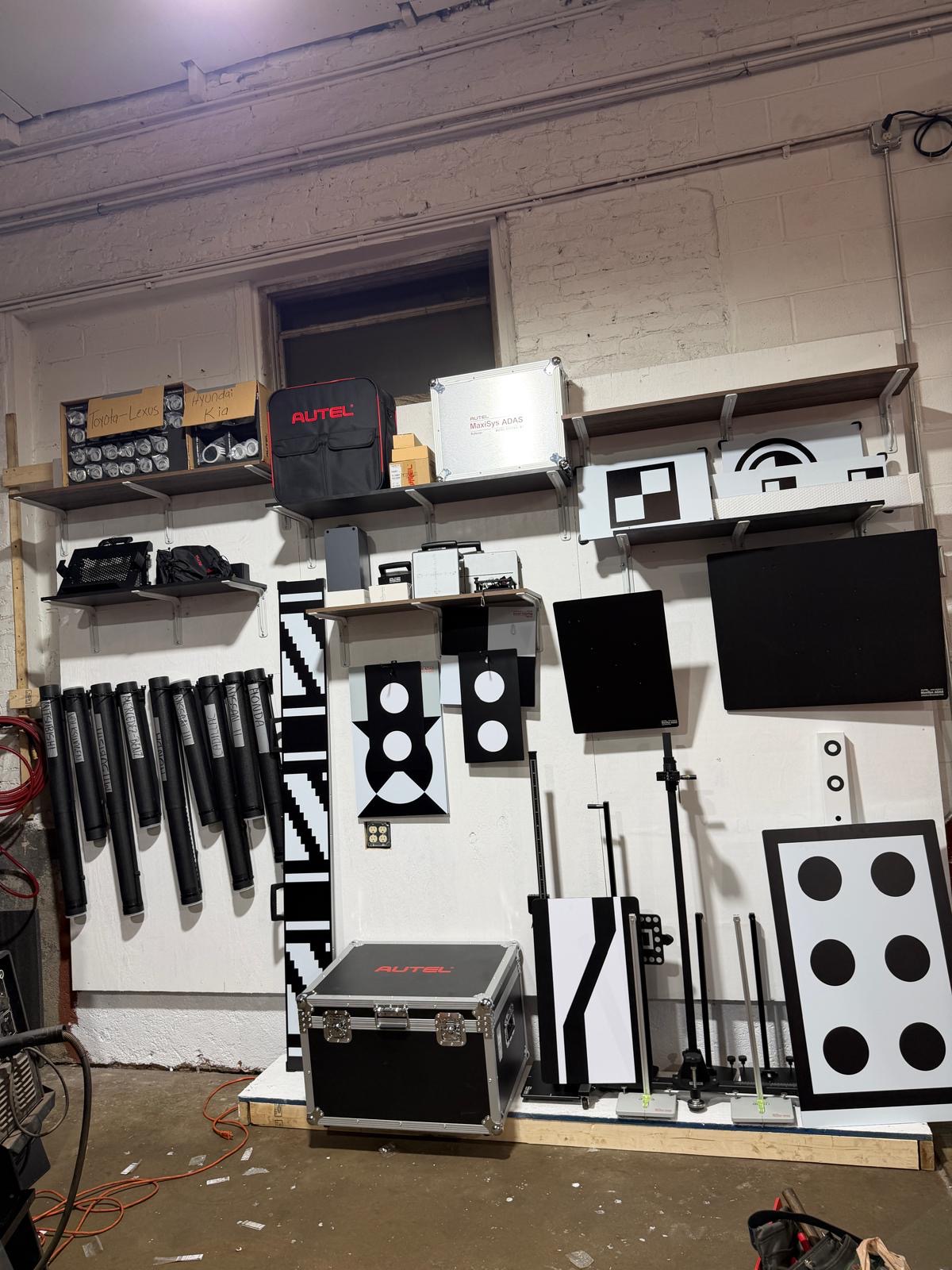
Manufacturer-specific calibration targets are positioned at exact distances using our advanced Autel IA900WA equipment.
OEM-Spec Calibration
Static or dynamic calibration is performed following the original factory parameters for your specific make and model.
Post-Scan & Certification
A final scan confirms zero error codes. You receive printed documentation showing your vehicle's systems are properly calibrated.
What Happens at Each Stage
Step 1: Pre-Scan & Diagnostics
Before we touch any sensors, we connect to your vehicle's computer and run a comprehensive health check. This reveals any existing issues, stores current data, and establishes a baseline. Many shops skip this step — we don't.
Step 2: Alignment & Geometry Check
Your vehicle's physical geometry must be correct before sensors can be calibrated. We check and adjust wheel alignment, thrust angle, and suspension geometry. For many vehicles, this step is mandatory — calibration will fail without it.
Step 3: Precision Target Setup
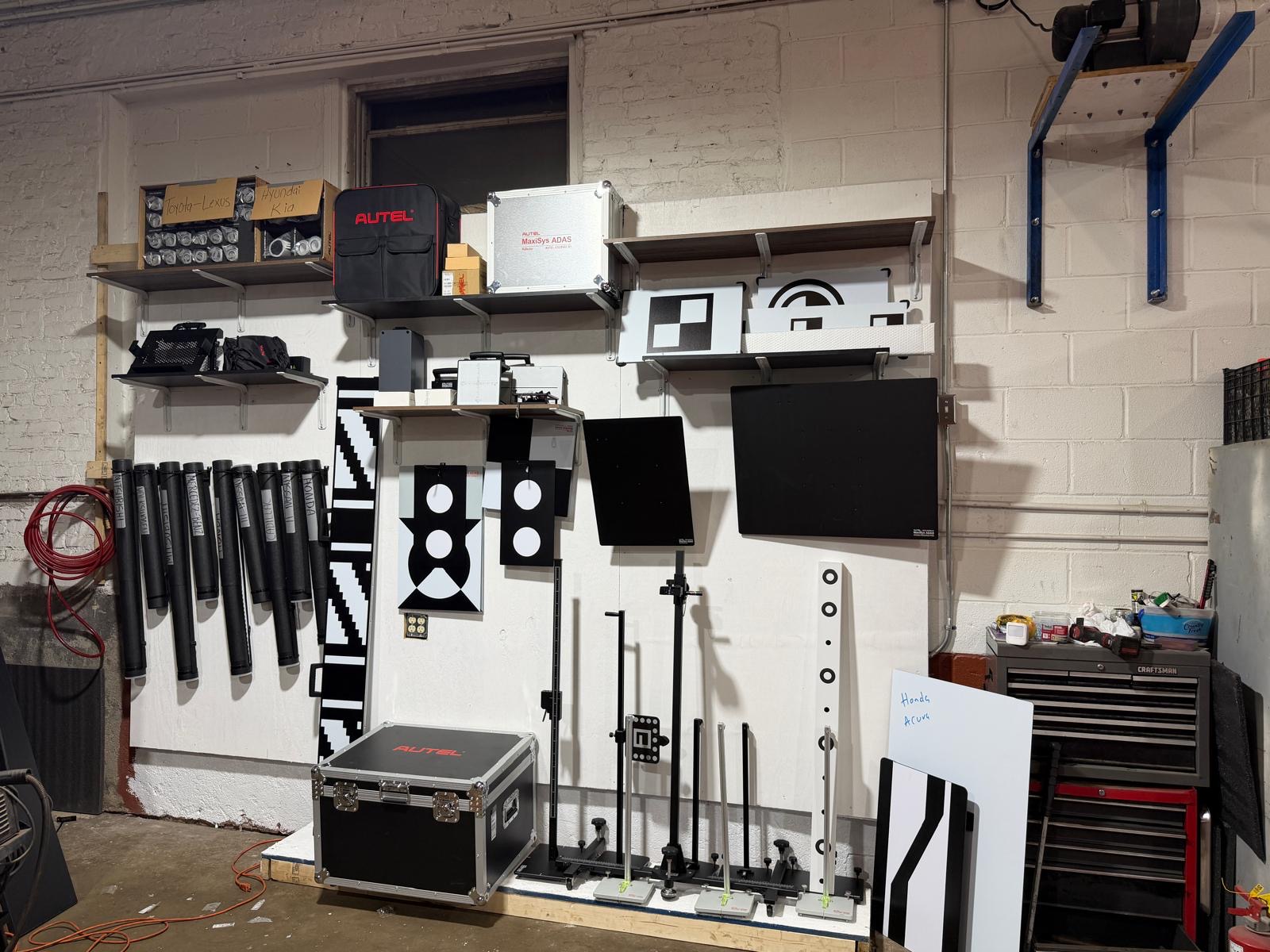
Using our Autel MaxiSYS IA900WA, we position manufacturer-specific calibration targets at precise distances and angles. This isn't guesswork — each vehicle has exact target specifications that must be followed for accurate calibration.
Step 4: OEM-Spec Calibration
Calibration is performed following your vehicle's original factory specifications. This may be static calibration (using targets in a controlled environment) or dynamic calibration (road-learning where the system adapts to actual driving conditions). We follow the exact procedure your manufacturer requires.
Step 5: Post-Scan & Certification
After calibration, we run another complete diagnostic scan to confirm all systems are functioning with zero error codes. You receive printed documentation showing the calibration was successful — proof that your vehicle's safety systems are restored to factory specifications.
Calibration Validation Report
Before-and-after scan results with zero error codes — your proof of proper calibration
The exact calibration procedure depends strictly on your vehicle's manufacturer specifications. There is no generic "one-size-fits-all" method. Every make and model has specific requirements — we follow them precisely.
Why Our Process Matters
The difference between proper calibration and code clearing.
Comprehensive vs. Generic
We use manufacturer-level equipment, not generic scanners that only clear codes.
Documented Results
Every calibration ends with printed documentation you can keep for your records.
Consistent Procedure
Same rigorous process for every vehicle, every time — no shortcuts.
Safety First
We won't release a vehicle until all safety systems are verified and functioning correctly.
Powered by Autel MaxiSYS IA900WA
Manufacturer-level calibration equipment operated by experienced technicians.
The Autel MaxiSYS IA900WA is the same caliber of equipment used by dealerships and manufacturer service centers. It provides access to the specific calibration procedures for each vehicle make and model — procedures that generic scanners simply cannot perform.
But equipment alone isn't enough. Our technicians combine this advanced technology with real mechanical experience and understanding of vehicle systems. We don't just follow on-screen prompts — we understand what the calibration is doing and why each step matters for your safety.